Preparing For Parenthood!
A well-prepared foundation is the catalyst that propels you towards an empowered childbirth and postpartum journey!
|
When pregnant, it's important to get trustworthy info to make informed choices about your health and your baby's well-being. It is natural to have questions during this remarkable process.
By offering trustworthy and comprehensive information (like for example explaining the three stages of labor), we aim to alleviate any anxieties or uncertainties you may have. We believe that being well-informed is essential for making the best choices for yourself and your baby's well-being. |
|
Therefore, we carefully curated a collection of recommended books, apps, and websites that are trusted sources of knowledge. These resources cover a wide range of topics, including prenatal care, nutrition, exercise, and emotional well-being. Whether you prefer to read a book, use an app, or browse through a website, we have something for everyone.
Enjoy exploring the childbirth and newborn care resources below!
Enjoy exploring the childbirth and newborn care resources below!
Our Favorite Books
Below you find a collection of our favorite pregnancy, birth and newborn care books.
One of the books we in particular recommend is "Pregnancy, Childbirth and the Newborn" by Penny Simkin (founder of DONA International - the world's first doula certifying organization). This book is different from others because it doesn't focus on what can go wrong. Instead, it explains the normal and healthy processes, their variations, and how to monitor them.
One of the books we in particular recommend is "Pregnancy, Childbirth and the Newborn" by Penny Simkin (founder of DONA International - the world's first doula certifying organization). This book is different from others because it doesn't focus on what can go wrong. Instead, it explains the normal and healthy processes, their variations, and how to monitor them.
|
Her other excellent book is "The Birth Partner" - a must-read for partners who want to be truly helpful during childbirth.
As she explains in this YouTube video, there are also opportunities to involve your children that are expecting a sibling. She has more interesting video's on YouTube you may want to check out. |
|
"Welcome to Fatherhood" is a book that takes the interesting father's perspective. It discusses the difficulties that modern expectant fathers encounter when they try to support their pregnant partners. In addition it also makes sure there is some fun along the way :-)
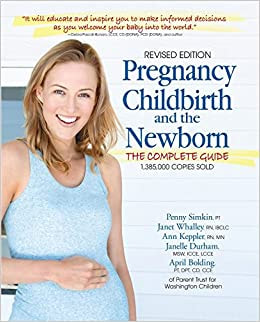
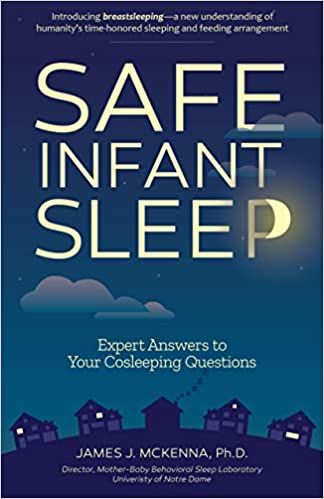
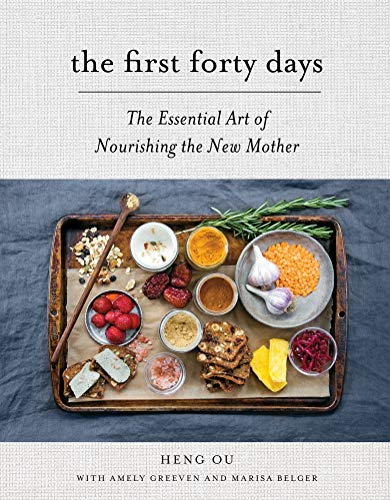

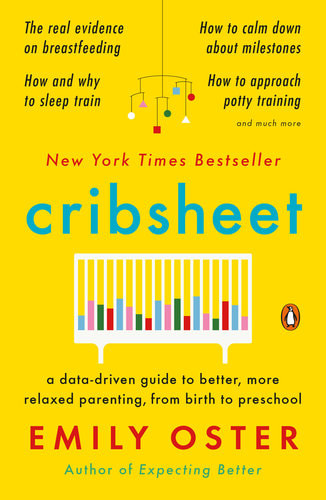
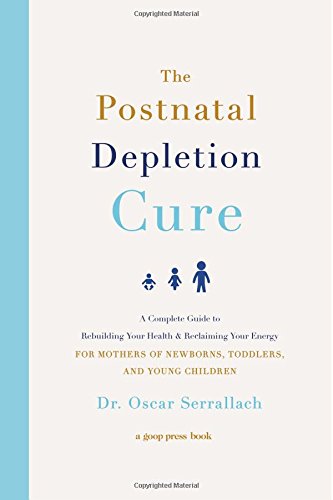
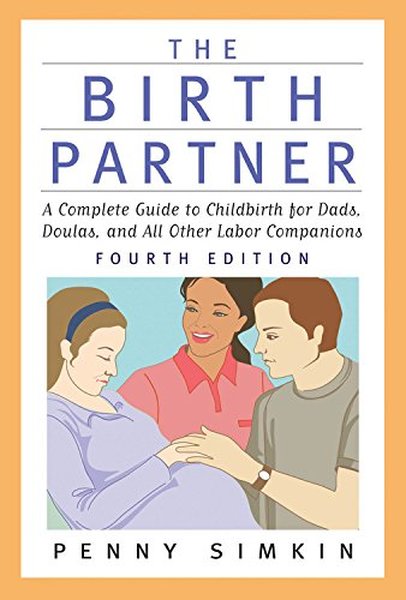

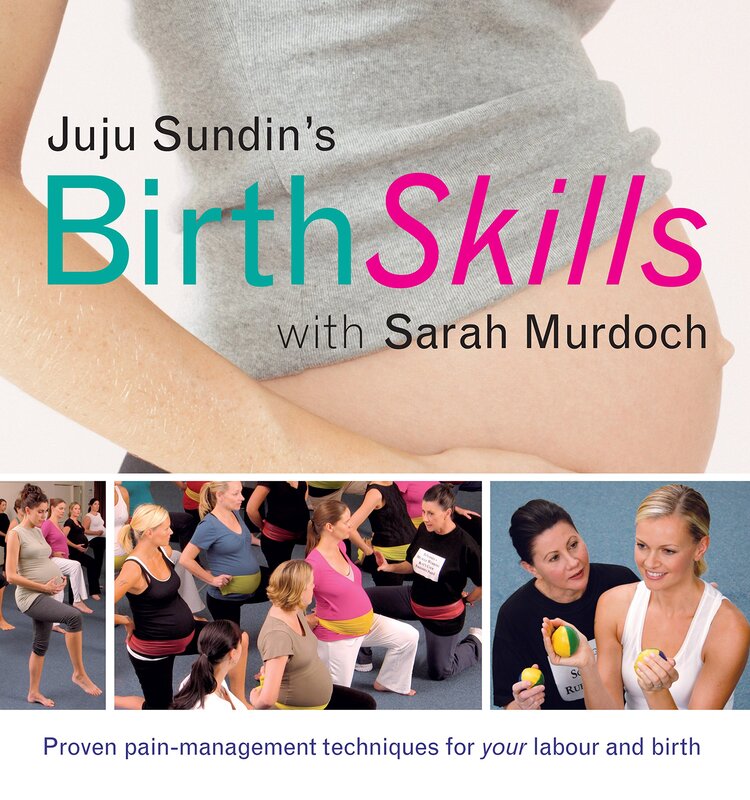
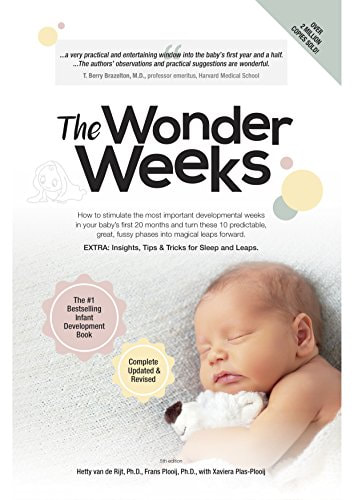

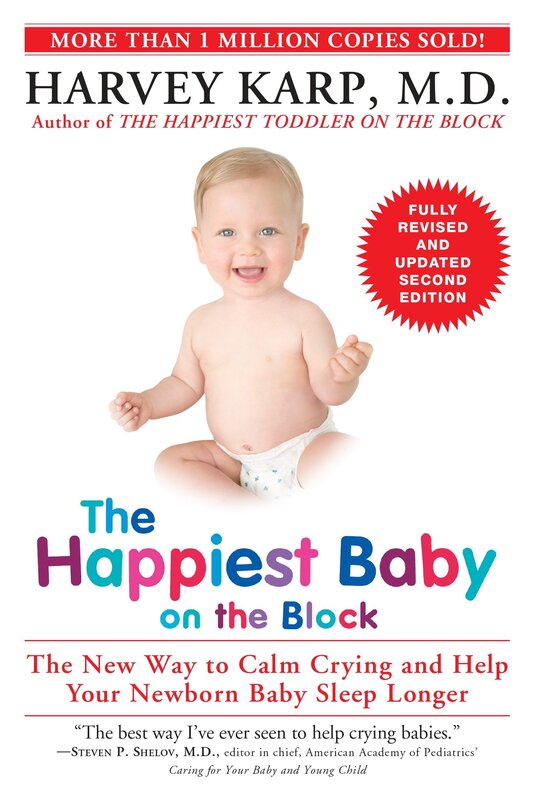
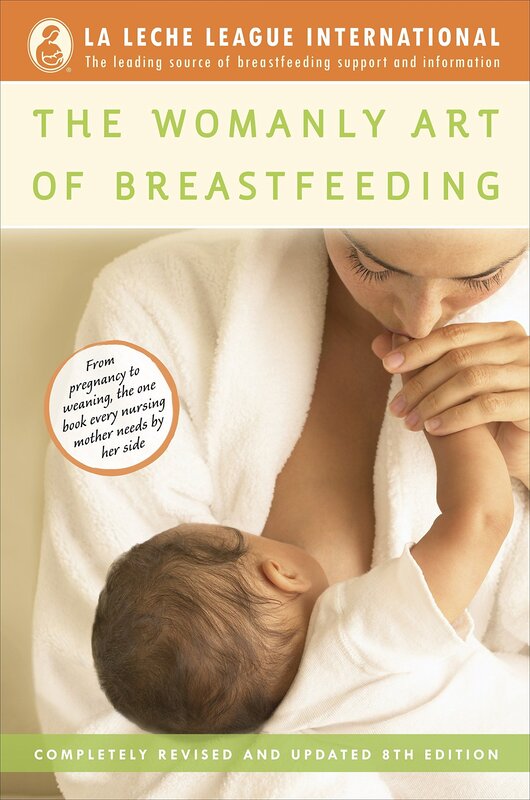
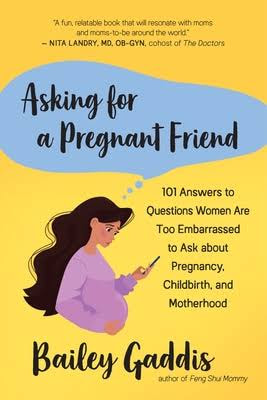

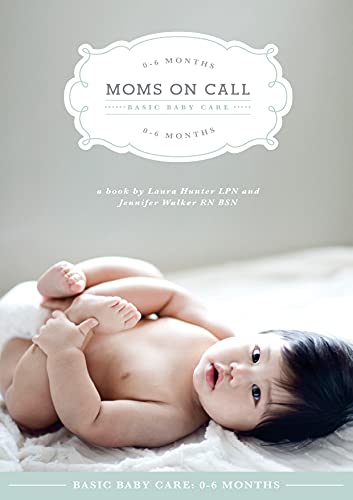
We added links to these pregnancy, birth and newborn care books on Amazon for your convenience. Hover over them if you want to purchase some.
Recommended Apps
If your due date is approaching or you recently had a baby, it can be difficult to remember everything. And that's perfectly fine.
The good news is that there are many pregnancy, birth and baby apps for new parents. These apps can assist in recording and tracking important milestones, such as remembering which side you last fed on. Below you find some of the apps we really think are useful.
The good news is that there are many pregnancy, birth and baby apps for new parents. These apps can assist in recording and tracking important milestones, such as remembering which side you last fed on. Below you find some of the apps we really think are useful.
From left to right:
Wonder weeks, Baby Connect, Contraction Timer, Baby Tracker, Huckleberry,
Baby Shhh, Expectful, GentleBirth, Headspace
Wonder weeks, Baby Connect, Contraction Timer, Baby Tracker, Huckleberry,
Baby Shhh, Expectful, GentleBirth, Headspace







With Wonder Weeks, you can track your baby's development. Baby Connect helps you record and monitor everything your child does, like their nap duration, food intake, and first steps.
|
Headspace is an app for meditation and sleep. It helps you relax and get the rest you need. People use the Contraction Timer app to track contractions during childbirth. You can find more information about these apps by hovering over their logos.
Would you like to find out more about different apps? There are interesting YouTube videos that explain more about the available options, like for example in the video by Mama NP. |
|
Useful Childbirth Websites
If you want to get your facts right, the Evidence Based Birth website provides a lot of useful information. Did you know that women with continuous labor support have a 25% lower chance of a cesarean? And for those who have a qualified Doula, the chance is even lower at 39%.
Overall, research indicates that people who received continuous Doula support were more likely to have spontaneous vaginal births. They may not have pain medication, epidurals, negative feelings about childbirth, vacuum or forceps-assisted births, or Cesareans. We love it when we make a difference!
Overall, research indicates that people who received continuous Doula support were more likely to have spontaneous vaginal births. They may not have pain medication, epidurals, negative feelings about childbirth, vacuum or forceps-assisted births, or Cesareans. We love it when we make a difference!
This website caters to pregnant individuals and birth professionals. Its purpose is to provide information and help them feel confident in using the most current and effective care methods:
Home - Evidence Based Birth®
All about pregnancy related health topics:
All Source Pregnancy – Home • All Source Pregnancy
Empowering both you and your baby for easier childbirth with a program of daily activities, balancing techniques and smarter birth positions:
Spinning Babies - Comfort in Pregnancy and Easier Birth
All about breastfeeding and parenting:
KellyMom.com Breastfeeding and Parenting
Another great (international) resource on breastfeeding:
Homepage - La Leche League International (llli.org)
Chiropractor with Webster technique - for healthier pregnancies and births:
ICPA - Establishing and Advancing the Chiropractic Family Lifestyle (icpa4kids.com)
Therapists working with women through all the transitions in their lives,
including motherhood and parenting:
perennialwellnessllc.com
First aid for pregnant women:
Online ACLS Certification & Recertification | PMT (pacificmedicalacls.com)
Guided groups helping dads get the most out of fatherhood so they can give their best to their families:
www.thefatherhoodcircle.com
We also encourage you to explore our Empowered Birthing Blog and take advantage of the wealth of information it offers. Just to give some examples, one specific topic that our blog covers is TOLAC, which stands for Trial of Labor After Cesarean. Another blog offers practical tips on How to Keep Your Baby Warm, which is crucial for their comfort and well-being.
Our goal is to provide trustworthy information. This information will assist women in making informed decisions and feeling confident during this crucial period in their lives.
Explore these useful childbirth websites and make a difference in your pregnancy journey!
Home - Evidence Based Birth®
All about pregnancy related health topics:
All Source Pregnancy – Home • All Source Pregnancy
Empowering both you and your baby for easier childbirth with a program of daily activities, balancing techniques and smarter birth positions:
Spinning Babies - Comfort in Pregnancy and Easier Birth
All about breastfeeding and parenting:
KellyMom.com Breastfeeding and Parenting
Another great (international) resource on breastfeeding:
Homepage - La Leche League International (llli.org)
Chiropractor with Webster technique - for healthier pregnancies and births:
ICPA - Establishing and Advancing the Chiropractic Family Lifestyle (icpa4kids.com)
Therapists working with women through all the transitions in their lives,
including motherhood and parenting:
perennialwellnessllc.com
First aid for pregnant women:
Online ACLS Certification & Recertification | PMT (pacificmedicalacls.com)
Guided groups helping dads get the most out of fatherhood so they can give their best to their families:
www.thefatherhoodcircle.com
We also encourage you to explore our Empowered Birthing Blog and take advantage of the wealth of information it offers. Just to give some examples, one specific topic that our blog covers is TOLAC, which stands for Trial of Labor After Cesarean. Another blog offers practical tips on How to Keep Your Baby Warm, which is crucial for their comfort and well-being.
Our goal is to provide trustworthy information. This information will assist women in making informed decisions and feeling confident during this crucial period in their lives.
Explore these useful childbirth websites and make a difference in your pregnancy journey!